Choosing the right moment to enroll in Medicare Plan G can shape the coverage options and pricing available to you for years to come. Many people assume enrollment is a simple formality, but timing plays a significant role in determining whether you’ll face underwriting questions, waiting periods, or limited plan choices. This FAQ-style guide walks through the key questions surrounding enrollment windows, switching plans, and the mistakes that often catch applicants off guard.
When Is the Best Time to Enroll in Plan G?
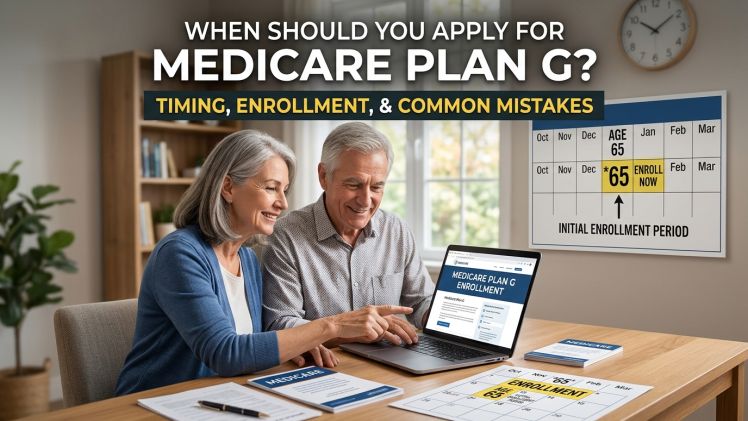
The ideal enrollment window opens during your Medigap Open Enrollment Period, which begins the month you turn 65 and are enrolled in Medicare Part B. This period lasts six months and offers guaranteed issue rights, meaning insurance companies cannot deny coverage or charge more based on health history. Applying during this window removes much of the uncertainty that comes with medical underwriting later on.
Missing this window doesn’t mean coverage is impossible, but it does change the process. Outside of open enrollment, insurers may ask detailed health questions before approving an application, and approval is not guaranteed in most states.
What Happens If You Apply Outside the Open Enrollment Period?
Applying after your six-month window has closed typically means going through medical underwriting. This process involves answering questions about your health history and current conditions. Depending on your answers, an insurer could approve your application, charge a higher premium, or deny coverage altogether.
Some states offer additional protections or alternate enrollment periods, so it’s worth checking local regulations before assuming no options exist. Even so, applying early remains the most straightforward path to securing coverage without complications.
Does Switching from Another Medigap Plan Require Underwriting?
Yes, in most cases. If you already have a different Medigap plan and want to switch to Plan G, insurers generally require underwriting unless you qualify for a guaranteed issue situation. These situations include circumstances like losing coverage through no fault of your own or moving outside your current plan’s service area.
Before switching, it helps to compare your current coverage with what Plan G offers. Because Plan G covers a broad range of costs that Original Medicare doesn’t, many people find the switch worthwhile despite the underwriting step, especially if their health has remained stable.
Can You Delay Enrollment If You Have Other Health Coverage?
If you’re still covered under an employer group health plan when you turn 65, you may be able to delay enrolling in Medicare Part B without facing a late enrollment penalty. Once that employer coverage ends, a Special Enrollment Period typically opens, giving you a window to enroll in Part B and subsequently access your Medigap Open Enrollment Period for Plan G.
It’s important to track these dates carefully. Missing the Special Enrollment Period can mean waiting for the next general enrollment period, which may delay your coverage start date and complicate your ability to secure a Medigap plan without underwriting.
What Are the Most Common Mistakes People Make When Enrolling?
One frequent mistake is assuming that Medigap plans operate on an annual enrollment cycle similar to Medicare Advantage. Unlike Advantage plans, Medigap coverage, including Plan G, doesn’t have a universal yearly open enrollment period for new applicants outside your initial window.
Another common error involves waiting too long to research plans after becoming eligible. Because the open enrollment window is time-limited, procrastination can mean missing the guaranteed issue period entirely. Some applicants also fail to compare how different insurers price the same standardized plan, not realizing that premiums can vary significantly between companies even though Plan G benefits remain consistent across providers.
A less obvious mistake is overlooking the connection between Part B enrollment and Medigap eligibility. Since the Medigap Open Enrollment Period is tied directly to your Part B start date, any delay in enrolling in Part B pushes back your Medigap window as well.
Is There a Way to Switch Plans Later Without Health Questions?
Certain situations trigger guaranteed issue rights even outside the initial enrollment window. These can include your current insurer going bankrupt, misrepresenting the plan during the sales process, or your Medicare Advantage plan leaving your area. In these cases, federal and state protections may allow you to switch to a Medigap plan, including Plan G, without answering health questions.
Outside of these specific triggers, switching later generally requires underwriting. This is why many people decide to lock in Plan G coverage during their initial eligibility window rather than waiting and hoping a qualifying event arises later.
How Does Age Affect Enrollment Options?
While most people become eligible for Medicare at 65, some qualify earlier due to disability or specific health conditions. For those enrolling due to disability before turning 65, enrollment rules can vary by state, and not every state requires insurers to offer Medigap plans to individuals under 65 on the same terms as those who are older.
Once someone in this situation turns 65, a new Medigap Open Enrollment Period begins, offering another guaranteed issue opportunity. Understanding these distinctions matters for anyone navigating Medicare eligibility outside the standard age threshold.
What Should You Prepare Before Applying?
Before submitting an application, gathering a few key pieces of information makes the process smoother. This includes your Medicare Part A and Part B effective dates, a list of current medications, and details about any existing health coverage. If underwriting applies to your situation, having this information ready can prevent delays in processing your application.
It also helps to request quotes from multiple insurers before committing. Since Plan G benefits are standardized, comparing companies based on premium pricing, customer service reputation, and rate stability over time can lead to better long-term value.
Can You Change Your Mind After Enrolling?
Most Medigap policies include a free look period, typically lasting around 30 days, during which you can review the policy and decide whether to keep it. If you choose not to continue, you may return the policy and receive a refund of premiums paid during that period, provided you haven’t already filed a claim.
This free look period offers a safety net for those who want to confirm their decision after seeing the full policy documentation, rather than relying solely on summaries provided during the sales process.
What’s the Difference Between Enrolling Through an Agent and Directly With an Insurer?
Both paths lead to the same standardized Plan G benefits, since coverage terms are set by federal guidelines rather than the insurer or agent. The difference lies in service and support. Independent agents often have access to quotes from multiple insurance companies, which can simplify the comparison process. Applying directly with a single insurer limits your view to that company’s specific pricing and underwriting practices.
Neither approach changes the core coverage you receive, so the decision often comes down to how much guidance you want during the comparison and application process.
Moving Forward With Confidence
Timing shapes much of the Medicare Plan G enrollment experience. Applying during your initial Medigap Open Enrollment Period offers the smoothest path, free from medical underwriting and guesswork. For those who missed that window or are considering a switch from another plan, understanding guaranteed issue rights and state-specific protections can still open doors to coverage.
Taking time to compare insurers, prepare necessary documentation, and clarify your current coverage status puts you in a stronger position to make an informed decision. Whether you’re approaching eligibility for the first time or reconsidering your current Medigap plan, careful attention to enrollment timing can make a lasting difference in your coverage experience.